6 Gluten Cross-Reactive Foods and Other Hidden Sources of Gluten
Nov 01, 2026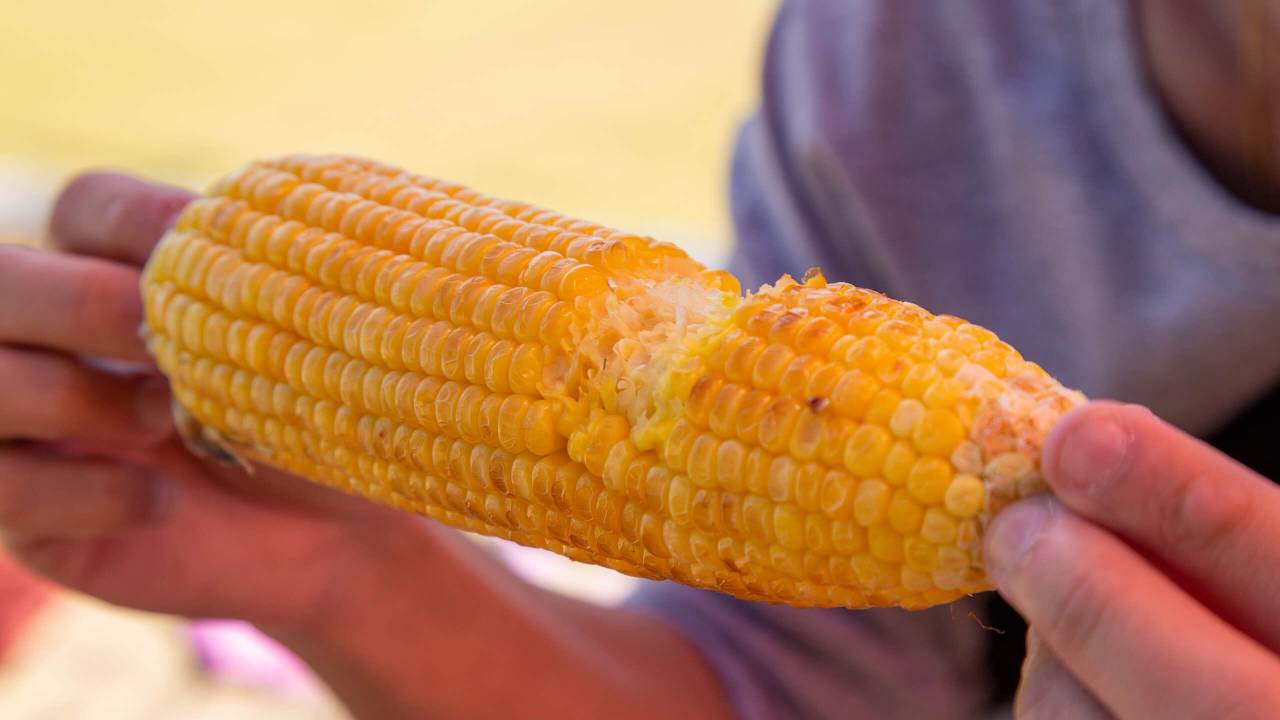
If you have removed gluten from your diet yet still experience symptoms you associate with gluten exposure, the problem may not always be obvious. First, hidden gluten and cross-contact can expose you to gluten without realizing it. In some people, another possibility is gluten cross-reactivity, in which antibodies that recognize gluten proteins may also react with proteins in certain other foods.
That does not mean these foods actually contain gluten. It also does not mean everyone who avoids gluten needs to remove them. In this article, I’ll explain the foods with gluten to avoid first, what gluten cross-reactivity means, and six foods to consider if symptoms continue despite a carefully gluten-free diet.
Table of Contents
- What Gluten Actually Is
- Foods With Gluten to Avoid First
- What Is Gluten Cross-Reactivity?
- 6 Gluten Cross-Reactive Foods to Know
- What to Do if You Still Have Symptoms
- Gluten Cross-Reactivity vs. Gluten Cross-Contact
- FAQs
What Gluten Actually Is
Gluten is a group of proteins naturally found in wheat, barley, rye, and related grains. For someone with celiac disease, consuming gluten triggers an immune reaction that damages the small intestine. (1,2)
Celiac disease is different from wheat allergy and non-celiac gluten sensitivity. If you are unsure why gluten causes symptoms for you, my guide to gluten intolerance explains those distinctions in more detail.
Foods With Gluten to Avoid First
Before assuming gluten cross-reactivity, make sure actual gluten is not sneaking into your diet. Common foods with gluten to avoid include breads, baked goods, pasta, cereals, malt-containing foods, beer, and foods made with wheat, barley, rye, or triticale. Gluten can also appear in less obvious products such as soups, sauces, salad dressings, processed meats, flavorings, and thickeners. (2)
Cross-contact matters too. Naturally gluten-free foods can come into contact with gluten during growing, processing, storage, or preparation. The FDA requires foods labeled “gluten-free” to meet its definition, including containing less than 20 parts per million of unavoidable gluten. (3)
You can read more about why I pay so much attention to gluten and intestinal health in my guide to gluten, leaky gut, gluten intolerance, and celiac disease.
What Is Gluten Cross-Reactivity?
Gluten cross-reactivity refers to the possibility that antibodies formed against a gluten protein may also bind to proteins with sufficiently similar structures.
A laboratory study examining antibodies to alpha-gliadin, one component of gluten, found immune reactivity with several non-gluten foods. However, this was laboratory research rather than a clinical trial, and the researchers noted that some observed reactions could have resulted from gluten contamination rather than true cross-reactivity. (4)
That distinction is important. Gluten cross-reactivity remains a developing area of research, so these foods should not be assumed to cause cross-reactivity in every person who is sensitive to gluten.
6 Gluten Cross-Reactive Foods to Know
Six foods come up most often when gluten has been removed and symptoms continue:
- Corn
- Dairy products (particularly proteins such as casein)
- Millet
- Oats
- Rice
- Yeast
These foods were among those that showed antibody reactivity in the laboratory research on alpha-gliadin. (4) They also overlap substantially with foods removed during The Myers Way® approach. Dairy, corn, and gluten-free grains including millet, oats, and rice all appear on my Inflammatory Foods to Toss list.
What to Do if You Still Have Symptoms
If you still feel unwell after eliminating gluten, do not automatically assume another food is cross-reacting. Start by checking food labels, restaurant preparation, supplements, sauces, seasonings, and shared cooking equipment for potential gluten exposure.
Next, work with a qualified healthcare professional or registered dietitian to determine whether additional food elimination makes sense for you. An elimination and carefully monitored reintroduction process can help identify individual food sensitivities without unnecessarily restricting your diet.
If thyroid health is part of your concern, I also explain the relationship between gluten, your gut, and thyroid health.
No matter where you land, a steady nutritional foundation helps. The Essential 4 Supplements are the four I believe everyone should take, from 1 year old to 101 years old: a Complete Multivitamin, Fish Oils / Omega-3, Multi-Strain Probiotic, and Vitamin D with Vitamin K2. Together they support a healthy gut microbiome, a healthy inflammatory response, and immune function.
Gluten Cross-Reactivity vs. Gluten Cross-Contact
These terms sound similar, yet they describe two different situations.
Gluten cross-contact means a food that should be gluten-free physically comes into contact with wheat, barley, rye, or another gluten source. The food now contains gluten. Gluten cross-reactivity describes a proposed immune reaction to a different food protein that resembles a gluten antigen closely enough for certain antibodies to react with it. (3,4)
For anyone with celiac disease, preventing actual gluten exposure and cross-contact remains essential according to the FDA and the NIDDK. Work with your healthcare professional before making major dietary changes, particularly if you have celiac disease, significant food restrictions, nutritional deficiencies, or unexplained ongoing symptoms.
FAQs
- What foods should I avoid with a gluten allergy?
“Gluten allergy” is commonly used online, although medically it is important to distinguish celiac disease, non-celiac gluten sensitivity, and wheat allergy. People with celiac disease must avoid wheat, barley, rye, and foods containing them. Wheat allergy specifically requires avoiding wheat, while tolerance of other gluten-containing grains varies depending on the diagnosis. (1,2) - What are gluten cross-reactive foods?
Gluten cross-reactive foods are non-gluten foods whose proteins may, under laboratory conditions, react with antibodies directed against gluten proteins. Foods investigated in this context include dairy, corn, millet, oats, rice, and yeast. Evidence is limited, and cross-reactivity should not be assumed in every person who reacts to gluten. (4) - Are oats gluten-free?
Oats are naturally gluten-free, yet they can come into contact with wheat, barley, or rye during growing, transportation, processing, and manufacturing. If you need to strictly avoid gluten, choose oats labeled gluten-free and follow your healthcare professional’s recommendations. (3) - Why do I still have symptoms after going gluten-free?
Possible explanations include accidental gluten exposure, cross-contact, another digestive or medical condition, nutritional issues, or sensitivity to another food. Gluten cross-reactivity is another proposed explanation, although the evidence is less established. Persistent symptoms deserve evaluation rather than increasingly restrictive self-directed elimination diets. - Is gluten cross-reactivity the same as cross-contamination?
No. Gluten cross-contact, sometimes called cross-contamination, means gluten physically entered a food that otherwise would not contain it. Gluten cross-reactivity refers to an immune antibody recognizing another food protein because of structural similarity to a gluten antigen. (3,4)
References
- Celiac Disease Foundation. “What Is Gluten?” Celiac Disease Foundation. https://celiac.org/what-is-gluten/. Accessed September 12, 2026.
- National Institute of Diabetes and Digestive and Kidney Diseases. “Eating, Diet, & Nutrition for Celiac Disease.” National Institutes of Health. https://www.niddk.nih.gov/health-information/digestive-diseases/celiac-disease/eating-diet-nutrition. Accessed September 12, 2026.
- U.S. Food and Drug Administration. “Questions and Answers on the Gluten-Free Food Labeling Final Rule.” FDA. https://www.fda.gov/food/nutrition-food-labeling-and-critical-foods/questions-and-answers-gluten-free-food-labeling-final-rule. Accessed September 12, 2026.
- Vojdani A, Tarash I. “Cross-Reaction between Gliadin and Different Food and Tissue Antigens.” Food and Nutrition Sciences. 2013;4(1):20-32. https://doi.org/10.4236/fns.2013.41005. Accessed September 12, 2026.