The Best Natural Sweeteners for Gut Health (and Which to Limit)
Nov 03, 2026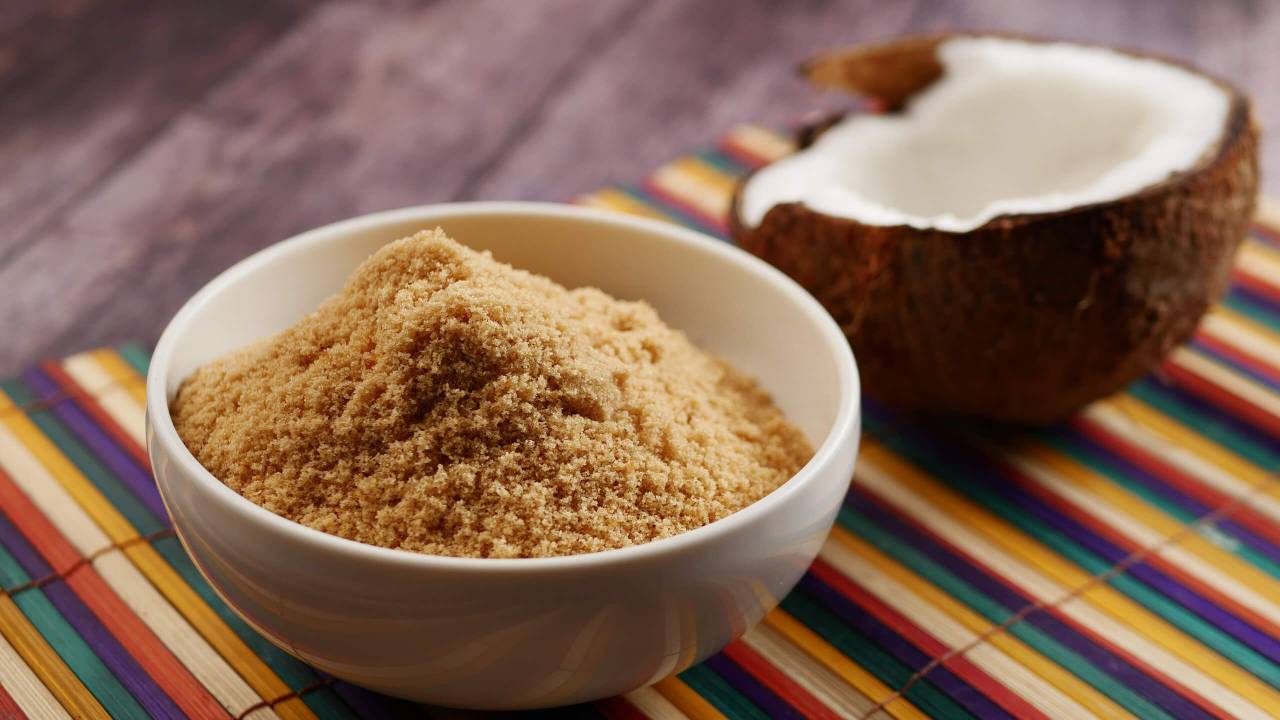
Finding the best sweetener for gut health should not be a mystery. You know that sugar, inflammation, and autoimmune disease go hand-in-hand. Pillar I of The Myers Way® includes removing toxic and inflammatory foods. This is paramount to taking back your health. This includes all sugars, including honey, for the first 30 days. Once you've worked down the Autoimmune Spectrum™, the next step is to repair your gut. Then, you can reintroduce sweeteners. The best natural sweetener for gut health will be one that acts as a prebiotic sweetener. I will explain what that means shortly, as well as what sweeteners to limit.
Not all sweeteners work the same way. Some feed the good bacteria in your gut, which I call a “prebiotic sweetener”. Others, however, feed the bad bacteria and can send you backward on your health journey. With the right sweetener, you can make the occasional treat that fits your lifestyle. There are also different types of prebiotic sweeteners to choose from. Some of my favorites include coconut sugar and stevia. Whatever you choose, I recommend only using organic, non-GMO options. These will help you stay on track with your wellness goals.
How Sugar Harms Your Gut
Today’s diets come loaded with excessive amounts of sugar. Too much sugar in the body triggers the production of proinflammatory cytokines, driving inflammation (1, 2). Sugar is literally everywhere in our modern world. The constant onslaught puts your gut under a lot of stress. Over time, this disrupts your gut microbiome. This disruption feeds Candida overgrowth and SIBO. Over time, this can weaken your intestinal wall and contribute to leaky gut.
Added sugars, sugar alcohols, and artificial sweeteners also disrupt this balance. This is why I recommend you limit or completely eliminate certain ingredients. I will share which ones later.
The Best Natural Sweeteners for Gut Health
Maintaining a healthy gut microbiome means choosing sweeteners that feed healthy bacteria. As I mentioned earlier, the best sweeteners for gut health are prebiotics. This means these contain compounds that feed the good bacteria in the gut. Some of my favorites include:
- Coconut Sugar: the star prebiotic sweetener. I use coconut sugar in many of my recipes, and for good reason. Coconut sugar contains inulin, a prebiotic fiber that feeds your friendly gut bacteria. It also has a lower glycemic index than regular sugar. This means it will not drastically spike your blood glucose levels. Coconut sugar also contains minerals such as potassium and magnesium (3). This is by far the best prebiotic sweetener I can recommend.
- Stevia: Stevia is another great option. It is one of the best natural sweeteners for gut health due to its zero glycemic impact. It is around 300x sweeter than sugar, yet also supports a balanced microbiome and a healthy inflammatory response (4). Always look for 100% organic stevia. It may come in either leaf powder or liquid form. Do not purchase blends such as Truvia. Some people do not care for the aftertaste, while others cannot tolerate it at all.
- Monk Fruit: It also has a glycemic index of 0. It derives its sweetness from free-radical-scavenging compounds, so there is no stevia aftertaste. When purchasing monk fruit, I caution you to avoid any varieties cut with erythritol. To reap the benefits of this prebiotic sweetener, only buy pure monk fruit extract.
- Blackstrap Molasses: Blackstrap molasses is the most nutrient-dense, cane-derived sweetener there is. It is rich in iron, calcium, magnesium, and selenium. Selenium supports healthy thyroid hormone conversion, which matters most for those managing Hashimoto's or other thyroid dysfunction. It is also best for baked goods due to its strong flavor.
Sweeteners to Use With Caution
Now you understand why the best sweetener for gut health acts as a prebiotic sweetener. Now it is time to look at a few other sweeteners. While these are natural, they may not be a great choice. If you are addressing active gut infections, you will want to limit or avoid completely.
Again, these sweeteners are not necessarily "bad". However, if you are dealing with SIBO or Candida overgrowth, focus on repairing your gut before introducing these back into your routine.
- Honey: Rich in B vitamins and minerals, with properties that support healthy bacterial balance. However, it contains about 17g of sugar per tablespoon. If you are going to use honey, choose raw, unfiltered, unpasteurized varieties.
- Maple Syrup: Real maple syrup offers B vitamins and minerals. The downside is that it is high in sugar, which can feed Candida and SIBO. Use sparingly, and completely avoid store-bought "pancake syrup". This is usually nothing more than high-fructose corn syrup and artificial coloring.
- Date Sugar: If you are looking for a whole-food source of fiber and minerals, date sugar checks out. Not that it also has a very high sugar content. This can be a recipe for disaster for those with Candida overgrowth and SIBO.
- Allulose: A new star on the scene, allulose is a rare sugar with almost zero calories. It absorbs quickly and is eliminated quickly, resulting in minimal blood sugar impact. Research shows limited prebiotic effects, and long-term data are still emerging. Therefore, I recommend using it in moderation (5).
- Erythritol and Xylitol: these sugar alcohols are growing in popularity. However, they come with downsides. For instance, some experience bloating, gas, and other gastrointestinal discomfort. One 2023 study linked higher erythritol levels to increased cardiovascular risk and blood clotting (6). To stay consistent with The Myers Way, I recommend limiting sugar alcohols.
A Balanced Approach for Life
You can still satisfy your sweet tooth without reverting to sugar. The key is to opt for healthier choices. The best sweetener for gut health will support a healthy microbiome. That’s why I recommend options that serve as prebiotic sweeteners.
If you find yourself constantly craving sweets, consider The Candida Solution™ Protocol. Inside, you will find everything you need to restore a healthy microbiome. Adding protein and healthy fats to your meals and snacks can also help curb cravings. One practical example is to use coconut milk or an avocado in your protein shake.
I enjoy a sweet treat as much as anyone, and The Myers Way teaches you how to confidently satisfy your cravings while supporting your wellness goals.
FAQs
- What is the best prebiotic sweetener for gut health?
- Coconut sugar is the standout prebiotic sweetener because it contains inulin, a prebiotic fiber that feeds the beneficial bacteria in your gut. (3) It also has a lower glycemic index than regular table sugar and supplies minerals like potassium and magnesium. While it still contains natural sugars and should be used in moderation, it's one of the few sweeteners that actively supports your microbiome rather than disrupting it.
- Which natural sweeteners are safe if you have SIBO or Candida overgrowth?
- If you have an active gut infection like SIBO or Candida overgrowth, the safest choices are sweeteners that don't feed harmful bacteria or yeast, namely stevia and monk fruit, both of which have a glycemic index of zero and pass through without spiking blood sugar. You'll want to avoid or strictly limit high-sugar options like honey, maple syrup, and date sugar during this time, since their sugar content can worsen symptoms. Once your gut is healed, you can reintroduce nutrient-dense options like coconut sugar in moderation.
- Is honey good or bad for your gut?
- Honey is a nutrient-rich sweetener with B vitamins, minerals, and properties that support healthy bacterial balance, and raw, unfiltered honey retains the most value.However, each tablespoon contains roughly 17 grams of sugar, which can feed Candida and aggravate SIBO. Honey can be part of a balanced approach for those with a healed gut, but it's best limited if you're managing a gut infection or blood sugar concerns.
- Are erythritol and xylitol good for gut health?
- These sugar alcohols are marketed as gut-friendly because they're low in calories and don't spike blood sugar, but they commonly cause bloating and gas, especially in sensitive individuals. A 2023 study also linked higher erythritol levels to increased cardiovascular risk and blood clotting. (6) For these reasons, I recommend limiting sugar alcohols and choosing whole-food-based sweeteners instead.
- What about allulose? Is it gut-friendly?
- Allulose is a rare sugar with almost no calories and minimal impact on blood sugar, and it tends to be gentler on the gut than sugar alcohols because it's poorly fermented. (5) Current human research shows it has a limited prebiotic effect and is generally well tolerated, though long-term safety data are still emerging. It can be a reasonable occasional option, but moderation is still wise until more is known.
Article References
- Excessive Intake of Sugar: An Accomplice of Inflammation. Xiao Ma et al. Frontiers in Immunology. 2022.
- Effect of High Glucose on Cytokine Production. Ronghua Hu et al. Clinical Immunology. 2018.
- Coconut Sugar: Chemical Analysis and Nutritional Profile. Saraiva, Carrascosa, Ramos, et al. Int J Environ Res Public Health. 2023.
- Antioxidant, Antimicrobial and Anti-Inflammatory Potential of Stevia rebaudiana Leaves. Lemus-Mondaca, Vega-Gálvez, et al. Journal of Applied Research on Medicinal and Aromatic Plants. 2018.
- Allulose in Human Diet: The Knowns and the Unknowns. British Journal of Nutrition. 2022.
- The Artificial Sweetener Erythritol and Cardiovascular Event Risk. Cleveland Clinic. Nature Medicine. 2023.