10 Hidden Sources of Gluten
Nov 03, 2026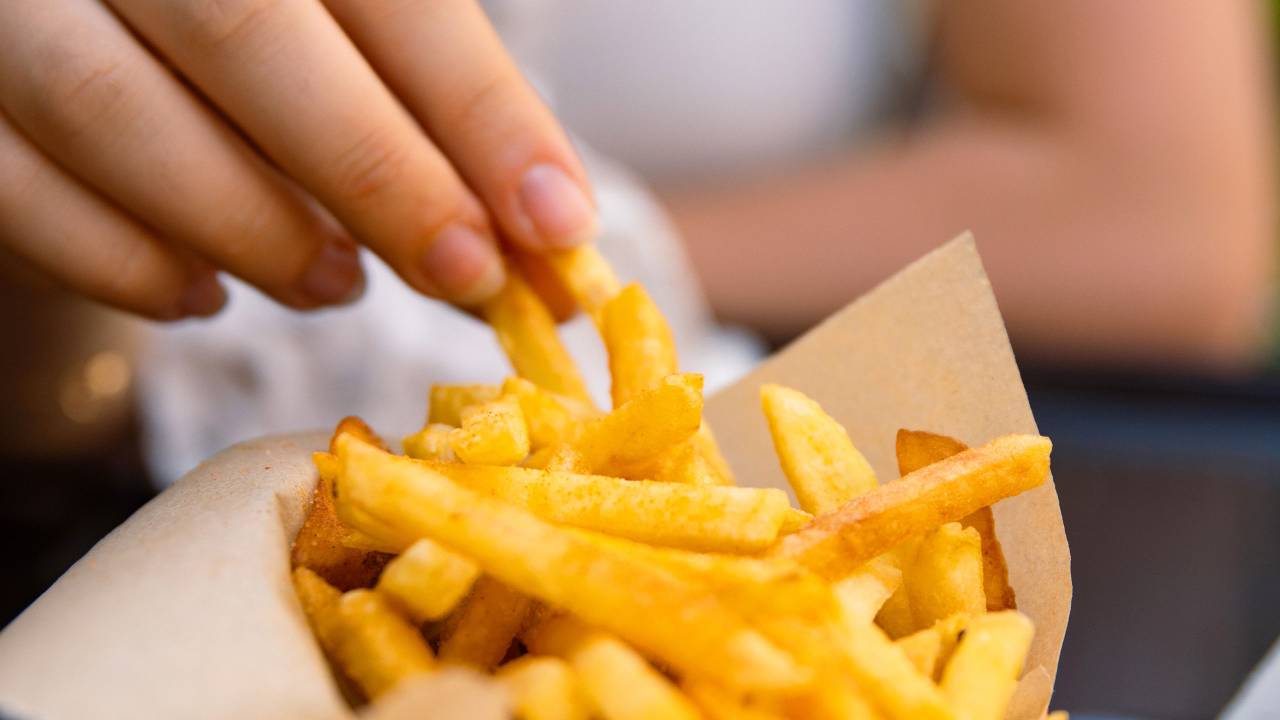
When you think about foods that contain gluten, bread, pasta, and baked goods probably come to mind first. Those are easy to recognize. Hidden gluten is harder because it can show up in sauces, seasonings, processed meats, beverages, and foods that seem naturally gluten-free.
Gluten is a mixture of proteins naturally found in wheat, barley, rye, and crossbreeds of these grains. If you have celiac disease, even small amounts can be a concern, making label reading and preventing cross-contact especially important. (1)
Here are 10 unexpected foods with gluten content to watch for, plus practical ways to spot gluten before it ends up on your plate.
Table of Contents
- What Foods Have Gluten?
- 10 Hidden Sources of Gluten
- How to Find Hidden Gluten on Food Labels
- Hidden Gluten vs. Cross-Contact
- What to Do if You Think You Ate Gluten
- FAQs
What Foods Have Gluten?
Several of these grains appear on ingredient lists under other names. (1)
- Barley: Malt, malt extract, malt vinegar, brewer’s yeast
- Triticale: A cross between wheat and rye
- Wheat: Durum, emmer, semolina, spelt
That means breads, pasta, baked goods, cereals, and many beers are common sources. However, gluten-containing grains and their derivatives can also be used as thickeners, flavorings, binders, coatings, or seasonings in processed foods. (1)
If you suspect gluten is affecting you and have not yet been evaluated for celiac disease, talk with your healthcare provider before removing gluten completely. Going gluten-free before testing can affect the accuracy of certain celiac disease tests. You can read more about how to test for gluten intolerance and celiac disease. (1)
10 Hidden Sources of Gluten
1. Soy Sauce and Teriyaki Sauce
Traditional soy sauce is commonly made with wheat as well as soybeans. Teriyaki sauce often contains soy sauce, making it another potential source. (2,3)
Do not assume every tamari or alternative sauce is automatically appropriate for a gluten-free diet. Check the label for a gluten-free claim.
2. Salad Dressings and Marinades
Salad looks gluten-free until the dressing enters the picture. Some dressings, marinades, and barbecue sauces contain soy sauce, malt vinegar, flour, or other gluten-containing components. (3)
This is also why barbecue sauce, ketchup, relish, and store-bought salad dressings sit on the Foods to Toss list.
3. Soups, Broths, and Gravies
Flour is frequently used to thicken soups and gravies. Packaged broths and stocks can also contain wheat-derived components or barley-derived yeast extract. (2,3)
Check creamy soups, chowders, chili, gravy, bouillon, and packaged stock carefully.
4. Processed Meats and Sausages
Fresh, unseasoned meat is naturally gluten-free. Processed versions are a different story. Some deli meats, sausages, hot dogs, seasoned poultry, and jerky can contain gluten-containing fillers, flavorings, sauces, or thickeners. (2,3)
On The Myers Way®, processed meats such as cold cuts and hot dogs are on the Foods to Toss list, and sausage is okay only if it is gluten-free.
5. French Fries and Flavored Chips
Potatoes and corn do not naturally contain gluten. However, seasonings on chips or fries can contain wheat starch, malt-derived flavorings, or flour. Restaurant fries may also share cooking oil with breaded foods. (2,3)
Plain does not always mean gluten-free once processing and preparation enter the equation.
6. Cereals and Oats
Some corn and rice cereals contain barley malt even though their main grain is gluten-free. Oats are naturally gluten-free, yet cross-contact with wheat, barley, or rye during farming and processing is common. (1,3)
If you need to avoid gluten strictly, look for oats specifically labeled gluten-free and work with your healthcare professional for guidance based on your individual needs.
7. Candy, Ice Cream, and Snack Bars
Candy, flavored ice cream, granola bars, energy bars, and other snacks can contain malt, wheat flour, cookie pieces, flavorings, or other gluten-containing additions. Even licorice commonly uses wheat flour as a binder. (1,2,3)
This is where reading the complete label matters more than judging a food by its category.
8. Flavored Drinks and Malt Beverages
Beer, ale, lager, and malt beverages generally contain gluten. Specialty coffees, teas, drink mixes, and some alcoholic beverages may also contain barley or wheat-derived components. (1,2,3)
Pay particular attention to anything described as “malted.”
9. Meat Substitutes
Plant-based does not mean gluten-free. Seitan is essentially wheat gluten, and some veggie burgers, vegan sausages, imitation meats, and imitation seafood use wheat gluten or wheat starch to create texture and bind the product together. (2,3)
Always check packaged substitutes rather than assuming they are safe because they are plant-based.
10. Restaurant Foods That Look Gluten-Free
This may be the most surprising category. Eggs, fries, vegetables, or gluten-free pizza can become exposed to gluten through shared griddles, fryers, ovens, utensils, cutting boards, or preparation surfaces. Some restaurants may even add pancake batter to scrambled eggs or omelets. (2,3)
When eating out, ask both what is in the food and how it is prepared.
How to Find Hidden Gluten on Food Labels
Start with the obvious words: wheat, barley, rye, triticale, malt, and their derivatives. Wheat must be disclosed on U.S. food labels when required by allergen-labeling rules, yet barley and rye are not treated the same way, so you still need to read the full ingredient list. (3)
For packaged foods labeled “gluten-free,” FDA rules require the unavoidable presence of gluten to remain below 20 parts per million. The same standard applies to the claims “no gluten,” “free of gluten,” and “without gluten.” (4)
If you cannot determine whether a product contains gluten, contact the manufacturer rather than guessing.
Hidden Gluten vs. Cross-Contact
Hidden gluten means gluten is actually present in the food, even if you would not expect it to be there.
Cross-contact is different. It happens when a naturally gluten-free food comes into contact with a gluten-containing food during growing, processing, storage, preparation, or serving. (1)
Shared fryers, toasters, cutting boards, utensils, and preparation areas are common examples. This distinction is especially important for people with celiac disease, who need strict gluten avoidance.
For readers with autoimmune conditions, I explain my broader approach to gluten in The Benefits of Going Gluten-Free With Autoimmune Disease.
What to Do if You Think You Ate Gluten
If you accidentally consume gluten, your next steps depend on why you avoid it and the symptoms you experience. There is no substitute for medical care or strict gluten avoidance if you have celiac disease.
Keep track of what you ate and where you ate it so you can identify the possible source. If symptoms are significant, persistent, or unusual for you, contact your healthcare professional. For more of my supportive guidance after accidental exposure, read my gluten detox guide.
The Essential 4 Supplements are the daily foundation, from 1 to 101 years old: a Complete Multivitamin, Fish Oils / Omega-3 to support brain and heart health, a Multi-Strain Probiotic to support a healthy gut microbiome, and Vitamin D with Vitamin K2 to support immune function and bone health. Talk with your healthcare provider about what fits your needs.
FAQs
- What are the most common foods that contain gluten?
Bread, pasta, baked goods, cereals, and crackers top the list, along with beer and anything else made from wheat, barley, rye, or triticale. (1) The harder part is processed food, where gluten can hide behind names like malt, malt extract, wheat starch, or barley-derived yeast extract instead of a grain you recognize. (1,2,3) Check the ingredient list for those names, not just the front of the package. - What foods have gluten in them that people do not expect?
Unexpected foods that may contain gluten include soy sauce, salad dressing, broth, deli meat, sausages, seasoned fries, flavored chips, cereals containing barley malt, licorice, veggie burgers, and flavored beverages. Whether a particular product contains gluten depends on its formula, so check the label. (2,3) - Does soy sauce have gluten?
Traditional soy sauce commonly contains wheat and therefore gluten. Gluten-free alternatives are available, so look specifically for a gluten-free claim rather than assuming all soy sauces or similar condiments are gluten-free. (2,3) - Are oats gluten-free?
Oats are naturally gluten-free, yet cross-contact with wheat, barley, and rye is common during growing and processing. People who need strict gluten avoidance should choose oats labeled gluten-free and discuss oat consumption with their healthcare provider or dietitian when appropriate. (1) - How can I tell if packaged food has hidden gluten?
Read the full ingredient list for wheat, barley, rye, triticale, malt, and derivatives of gluten-containing grains. Look for a regulated gluten-free label when strict avoidance is necessary. If the ingredients or manufacturing process are unclear, contact the manufacturer before eating the product. (3,4)
References
- National Institute of Diabetes and Digestive and Kidney Diseases. “Eating, Diet, & Nutrition for Celiac Disease.” National Institutes of Health. Last reviewed October 2020. https://www.niddk.nih.gov/health-information/digestive-diseases/celiac-disease/eating-diet-nutrition. Accessed September 12, 2026.
- Cleveland Clinic. “Surprising Foods That Contain Gluten.” Health Essentials, May 3, 2023. https://health.clevelandclinic.org/what-foods-have-gluten. Accessed September 12, 2026.
- Gluten Intolerance Group. “38 Foods Where Gluten May Be ‘Hidden.’” Updated August 2021. https://gluten.org/2021/03/23/43-foods-where-gluten-may-be-hidden/. Accessed September 12, 2026.
- U.S. Food and Drug Administration. “‘Gluten-Free’ Means What It Says.” FDA. https://www.fda.gov/consumers/consumer-updates/gluten-free-means-what-it-says. Accessed September 12, 2026.